How to Maintain Your Block Paving Driveway
As experienced local pavers, we've put together a comprehensive guide to help you maintain your block paved driveway and protect your investment.
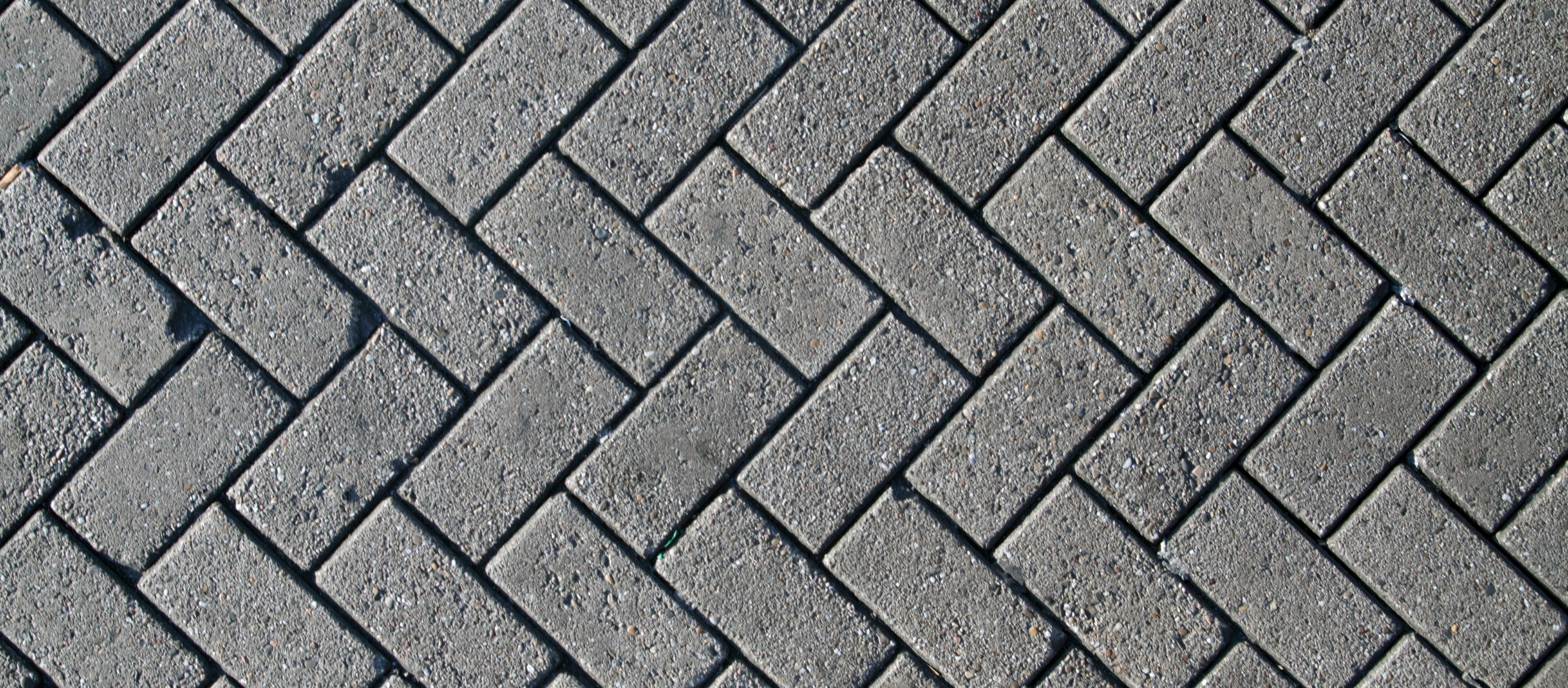
Block paving is a fantastic investment for your Sheffield property, offering durability, versatility, and timeless appeal. However, like any outdoor surface, it requires some care and attention to keep it looking its best for decades to come. As experienced local pavers, we've put together this comprehensive guide to help you maintain your block paved driveway and protect your investment.
Why Maintenance Matters
A well-maintained block paving driveway can last 20 years or longer, maintaining its appearance and structural integrity throughout its lifespan. Regular maintenance prevents small issues from becoming expensive problems and ensures your driveway continues to enhance your property's kerb appeal.
Many homeowners are surprised by how straightforward block paving maintenance can be. With a little effort at the right times of year, you can keep your driveway looking as good as the day it was installed.
Regular Cleaning: Your First Line of Defence
Sweeping and general cleaning:
The simplest maintenance task is also one of the most effective. Regular sweeping removes dirt, leaves, and debris that can stain blocks or encourage weed growth in joints. Aim to sweep your driveway at least once a fortnight, or more frequently during autumn when fallen leaves are abundant.
For deeper cleaning, pressure washing is highly effective. We recommend pressure washing your block paving once or twice a year, ideally in spring and autumn. Use a medium-pressure setting and work methodically across the surface, maintaining a consistent distance from the blocks to avoid dislodging jointing sand.
Tackling stains promptly:
Sheffield's weather and daily use mean stains are inevitable, but prompt action makes removal much easier. Oil and fuel spills should be addressed immediately using a suitable degreaser or a specialist block paving cleaner. For organic stains like moss, algae, or lichen, use a fungicidal treatment specifically designed for block paving.
Rust marks from garden furniture or plant pots can be treated with rust removers, while general dirt and grime usually respond well to a solution of warm water and washing-up liquid. Always test cleaning products on an inconspicuous area first to ensure they won't discolour your blocks.
Joint Sand: The Unsung Hero
The sand between your block paving joints plays a crucial role in keeping blocks stable and preventing weed growth. Over time, this sand can wash out or deteriorate, particularly in high-traffic areas or after heavy rainfall.
When to re-sand:
Inspect your joints regularly. If you notice the sand level has dropped significantly or weeds are appearing, it's time to re-sand. This is typically needed every couple of years, though this varies depending on usage and weather exposure.
How to re-sand properly:
First, ensure your driveway is completely clean and dry. Sweep kiln-dried jointing sand across the surface, working it into the joints with a soft brush. Continue adding sand until the joints are filled to just below the chamfered edge of the blocks. Compact the sand gently and sweep away any excess. Avoid re-sanding just before rain, as the sand needs to settle and bind properly.
For enhanced weed prevention and improved stability, consider using polymeric jointing sand. This specialist sand contains additives that bind when activated by water, creating a more durable joint that resists wash-out and inhibits weed growth more effectively than standard sand.
Weed Prevention and Removal
Despite your best efforts, weeds can occasionally appear in block paving joints. Addressing them quickly prevents root systems from establishing and potentially displacing blocks.
Prevention strategies:
Keeping joints properly filled with sand is your primary defence against weeds. Well-maintained joints leave little room for seeds to germinate. Regular sweeping also removes seeds before they have a chance to settle and grow.
Removal methods:
For environmentally friendly weed removal, use a dedicated block paving weeding tool or a stiff brush to scrape out weeds, ensuring you remove the roots. Alternatively, apply a suitable weed killer according to the manufacturer's instructions. Choose products specifically safe for use on block paving to avoid staining or damage.
Seasonal Maintenance Tips
Spring:
Spring is the ideal time for a thorough clean and assessment. Pressure wash your driveway to remove winter grime and inspect for any damage or displaced blocks. Re-sand joints as needed and apply weed treatment before the growing season begins in earnest.
Summer:
Monitor for weed growth during the warmer months and remove any that appear promptly. Check that joints remain well-filled, as summer rain can wash sand away. Address any oil stains quickly, as warm weather can cause them to penetrate more deeply into the surface.
Autumn:
Keep on top of fallen leaves, as these can stain blocks if left to decompose. A final pressure wash before winter prepares your driveway for the harsher months ahead. Ensure drainage channels are clear to prevent water pooling during winter rainfall.
Winter:
In Sheffield, winter can bring frost and occasional snow. Avoid using rock salt directly on block paving, as it can cause staining and surface damage. Instead, use sand for traction or a de-icer specifically safe for paving. Be cautious with snow shovels to avoid chipping block edges.
The Importance of Quality Installation
It's worth noting that maintenance requirements are significantly reduced when block paving is properly installed from the outset. Quality groundwork, appropriate sub-base depth, and correct installation techniques all contribute to a driveway that's easier to maintain and lasts longer.
When considering a new block paved driveway, choosing experienced, professional pavers ensures your investment delivers lasting results. Proper installation includes adequate drainage, correct jointing materials, and attention to detail that makes future maintenance straightforward.
Protecting Your Investment
Your block paved driveway represents a significant investment in your property. With proper maintenance, it will continue to enhance your home's appearance and value for decades. The good news is that block paving is one of the most forgiving and maintainable driveway surfaces available.
By following these maintenance tips and addressing issues promptly, you'll ensure your driveway remains a feature you're proud of. Regular care prevents costly repairs and means your driveway will look impressive for many years to come.
If you're considering a new block paved driveway or need advice on maintaining your existing one, we're here to help. Our commitment to quality workmanship and customer satisfaction has made us a trusted name for paving services across Sheffield.